JOHANNESBURG, SOUTH AFRICA (ADV), – Zambia has welcomed the donation of US$500, 000 handed over to them by the African Development Bank (AfDB) to help fight Army Worms.
Zambia is amongst the African countries which are commonly threatened by severe climate changes which exacerbate fall armyworms (FAW) that may lead to the loss of maize yields.
A study by AfDB shows that the fall armyworms (FAW) has the capacity to reduce maize yields by an average of 20 percent, at the same time affecting the quality of the grain.
The study shows that Zambia lost a total of 222,586 hectares where the FAW bred and feasted on small corn and affected a total of 279,843 farmers.
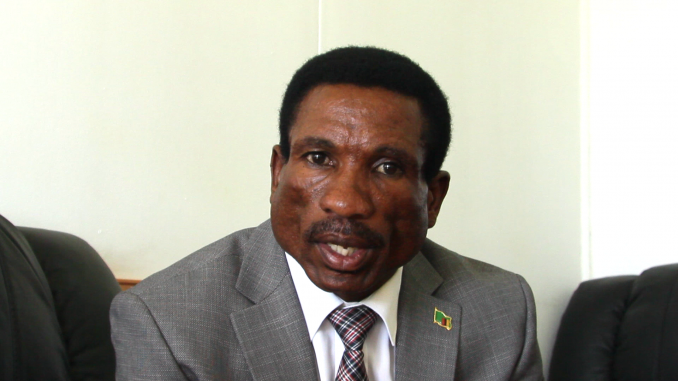
While addressing the media, Zambia’s Agriculture Minister Michael Katambo said the money received from AfDB will be used to procure chemicals for the spray of Army Worms.
Katambo the ministry is on alert and doing everything possible with the support of cooperating partners to fight pests in areas of the outbreak.
The army worms have in the last few farming seasons ravaged maize fields in Zambia and other Southern African countries threatening maize yields.
During the 2016/2017 season, crop production was threatened by an outbreak of armyworms but Zambia still managed to reap 3.6 million tonnes of maize, up from 2.8 million the previous year, after containing the pests.
Outbreaks of the pest attack erupted in Zambia, Zimbabwe, Malawi and South Africa.
They followed a crippling El Nino-triggered drought which scorched much of the region in 2015, hitting crop production and leaving millions in need of food aid.
Recently, the AfDB director for agro-industry Martin Fregene was quoted in the media saying Zambia’s crop harvest for the 2017/2018 season dropped by 33 percent to 2.4 million tonnes from the previous 3.6 million tonnes harvested earlier because the pest was vicious.
Two years ago and in every country on the continent, FAW is resistant to many conventional pesticides and targets maize, a crop that over 300 million people across Africa rely on for food.
© Bur-JHB – B.M – M.C / African Daily Voice (ADV) – Follow us on Twitter : @ADVinfo_eng